
Objectives
Objective 1 To understand the historical and spiritual significance of Satasana Math in the sacred land of Puri,
Objective 2 To know the significance of the Seven Asanas of Satasana Math in the Gaudiya Vaishnava tradition.
Objective 3 To appreciate the contributions of great Vaishnava saints to the spiritual heritage of Satasana Math.
Objective 4 To explain the spiritual importance of Satasana Math as a center of worship and meditation.
Objective 5 To examine the architecture and historical development of Satasana Math.
Objective 6 To identify the presiding deities of Satasana Math and their role in devotional worship.
Objective 7 To know the scriptural and historical references related to Satasana Math.
Objective 8 To locate Satasana Math on Satasana Road in Puri, Odisha.
1. Introduction
Objective 1 To understand the historical and spiritual significance of Satasana Math in the sacred land of Puri,

Satasana Math, also known as Sat Asana Math or Satasana Bhajana Sthali
Satasana Math is one of the most revered Gaudiya Vaishnava sacred sites in Puri. Rather than a single monastery, it consists of a group of temples, bhajana-kutirs, and devotional centers associated with various Gaudiya Vaishnava traditions.
The name “Satasana” means “Seven Seats” or “Seven Asanas,” referring to the tradition that the Sapta Rishis—Kashyapa, Atri, Vasistha, Visvamitra, Gautama, Jamadagni, and Bharadvaja—performed meditation and austerities there.
Over the centuries, the site developed into an important center for bhajana, meditation, and devotional worship. During the stay of Sri Chaitanya Mahaprabhu in Puri, Satasana became a favored place for His associates, who gathered there to chant the holy names and remembrance of Sri Sri Radha-Krishna’s pastimes.
Today, Satasana Math remains a serene spiritual sanctuary where devotees experience the living heritage of Gaudiya Vaishnavism, away from the crowds surrounding the Jagannath Temple.
Among the seven maths, Four principal maths continue to preserve this sacred legacy: Giridhari Math, Syamasundara Math, Madana Mohana Math, and Krishna-Balarama Math.
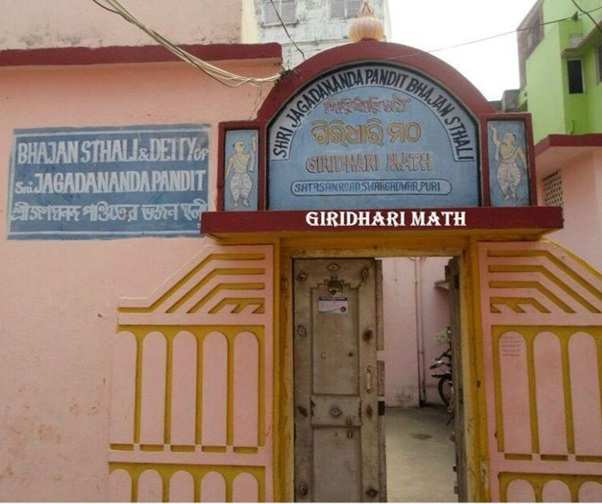
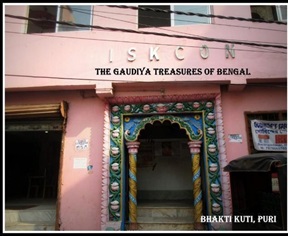
Part of Satasana Math – Bhakti Kuti and Giridhari Math
2. The Seven Asanas of Satasana Math
Objective 2 To know the significance of the Seven Asanas of Satasana Math in the Gaudiya Vaishnava tradition.
1. Bada Asana – Bada Asana is the bhajana-kutira of Srila Svarupa Damodara Goswami, one of the most intimate associates of Sri Chaitanya Mahaprabhu. Although the original temple no longer exists, tradition holds that the Deities of Sri Sri Radha-Damodara Jiu, worshipped by Svarupa Damodara, are presently worshipped at Giridhari Math. Some scholars, however, maintain that the Deities currently at Giridhari Math are not the original Deities of Svarupa Damodara.
2. Kadali Patka Asana – Kadali Patka Asana is associated with Srila Svarupa Dasa Babaji, an exalted Vaishnava saint who performed his bhajana at this sacred place. Srila Bhaktivinoda Thakura greatly glorified Svarupa Dasa Babaji and frequently visited him here. Although blind, Svarupa Dasa Babaji would rise very early every morning and bathe in the ocean even in complete darkness, demonstrating his extraordinary devotion and spiritual perfection.
3. Sri Giridhari Asana – Giridhari Math is the place where Jagadananda Pandita performed his bhajana. Jagadananda Pandita, the author of the famous devotional work Prema Vivarta, was one of the closest associates of Sri Chaitanya Mahaprabhu. In the Gaudiya Vaishnava tradition, he is revered as an incarnation of Satyabhama Devi, one of Lord Krishna’s principal queens.
4. Gumpha Asana – Gumpha Asana was once an important gathering place for Vaishnavas engaged in meditation, chanting, and devotional practices. Although the original temple no longer survives, the site remains significant because many saintly devotees assembled there to perform their bhajana and spiritual contemplation.
5. Madana Mohana Asana – Madana Mohana Asana is the bhajana-kutira of Srila Raghunatha Dasa Goswami, one of the Six Goswamis of Vrindavana and a prominent follower of Sri Chaitanya Mahaprabhu. The beautiful Deities of Sri Sri Radha-Madana-Mohana are worshipped here, making it an important place of pilgrimage for devotees.
6. Krishna Balarama Asana – Krishna Balarama Asana is a sacred site where the enchanting Deities of Lord Krishna and Lord Balarama are worshipped. Tradition also identifies this place as the bhajana-kutira of Chota Haridasa, a devotee associated with the pastimes of Sri Chaitanya Mahaprabhu.
7. Syamasundara Asana – Syamasundara Asana is believed to have been the bhajana-kutira of both Brahmananda Bharati and Svarupa Damodara Goswami. The beautiful Deities of Lord Syamasundara are worshipped here, and the site is remembered for its connection with these exalted associates of Sri Chaitanya Mahaprabhu.
3. Devotees Associated with the Place
Objective 3 To appreciate the contributions of great Vaishnava saints to the spiritual heritage of Satasana Math.
Satasana Math is deeply connected with many exalted devotees and saints who shaped the Gaudiya Vaishnava tradition.
Sapta Rishis
At the foundation of its sacred identity are the Sapta Rishis, who are believed to have performed prolonged meditation at this location. Their presence established the spiritual potency that later attracted many Vaishnava saints.
Svarupa Damodara Goswami
Among the foremost personalities associated with Satasana Math is Svarupa Damodara Goswami, the intimate companion and personal secretary of Sri Chaitanya Mahaprabhu. His bhajana-sthali, known as Bada Asana, became one of the most revered locations within the complex. Here he immersed himself in remembrance of the confidential moods of Radha and Krishna and assisted Mahaprabhu in His deepest spiritual ecstasies.
The site is also traditionally connected with Sri Chaitanya Mahaprabhu, Sri Nityananda Prabhu, Ramananda Raya, Jagadananda Pandita, and Raghunatha Dasa Goswami. The peaceful atmosphere of Satasana made it an ideal place for advanced devotees to perform solitary chanting and devotional contemplation.
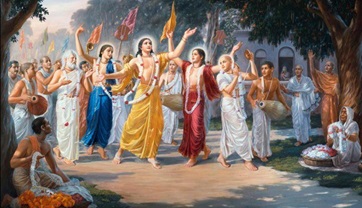
Sri Chaitanya Mahaprabhu
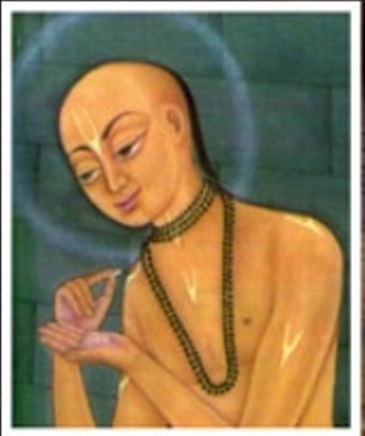
Svarupa Damodara Goswami
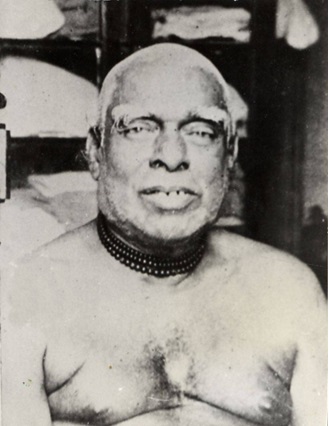
Bhaktivinoda Thakura
4. Leelas / Pastimes Associated with the Place
Objective 4 To explain the spiritual importance of Satasana Math as a center of worship and meditation.
Satasana Math preserves several sacred traditions and devotional pastimes that span both Vedic and Gaudiya Vaishnava history.
Sapta Rishis
The earliest of these is the meditation of the Sapta Rishis. According to traditional accounts, the seven sages chose this coastal region of Puri for intense spiritual practices. Their sacred seats eventually became commemorated through individual shrines and monasteries, giving rise to the name Sat Asana.
Svarupa Damodara Goswami
A particularly significant pastime associated with the site is the bhajana of Svarupa Damodara Goswami. Within his Bada Asana, he engaged in profound meditation on the confidential pastimes of Sri Sri Radha-Krishna and assisted Sri Chaitanya Mahaprabhu in relishing the deepest moods of divine love. Local traditions hold that many of Mahaprabhu’s intimate discussions concerning Vraja-prema were connected with the devotional atmosphere surrounding this area.
Sri Chaitanya Mahaprabhu
During His years in Puri, Sri Chaitanya Mahaprabhu frequently visited secluded places where He could associate with His closest devotees away from public attention. Satasana Math is remembered as one such place where sankirtana, scriptural discussions, and ecstatic remembrance of Krishna’s pastimes flourished. The atmosphere of the site continues to reflect the mood of contemplative devotion and continuous chanting of the holy names.
Bhaktivinoda Thakura
The area also bears a connection with Bhaktivinoda Thakura, who spent time nearby composing devotional literature and contemplating the future spread of Gaudiya Vaishnavism.
Thus, Satasana Math represents a continuous stream of devotion extending from ancient Vedic sages through Mahaprabhu’s associates and into the modern era.
5. Structure / Importance
Objective 5 To examine the architecture and historical development of Satasana Math.
Satasana Math reflects traditional Odishan temple and monastic architecture. The complex includes temple sanctuaries, meditation chambers, courtyards, verandas, and simple residential facilities for visiting devotees. The emphasis is on bhajana, meditation, and spiritual practice rather than grandeur.
Historically, seven temples commemorating the Sapta Rishis existed here. Today, four principal maths remain active:
1. Giridhari Math
2. Syamasundara Math
3. Madana Mohana Math
4. Krishna-Balarama Math
Together they preserve the memory of the original seven sacred meditation seats.
The importance of Satasana Math lies in its unique synthesis of ancient Vedic heritage and Gaudiya Vaishnava spirituality. It represents a living connection between the Sapta Rishis, the associates of Sri Chaitanya Mahaprabhu, and the devotional culture of Jagannath Puri.
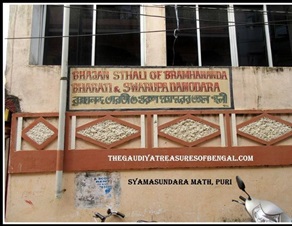
Part of Satasana Math Complex
6. Presiding Deities
Objective 6 To identify the presiding deities of Satasana Math and their role in devotional worship.
Bada Asana deities
The Satasana Math complex contains several temples, each with its own presiding deities. At Bada Asana, the principal worship is offered to Sri Sri Radha-Damodara, reflecting the devotional tradition of Svarupa Damodara Goswami. These deities symbolize the intimate service mood cultivated by Mahaprabhu’s associates.
Syamasundara Math deities
In Syamasundara Math, devotees worship Sri Sri Radha-Syamasundara, celebrating Krishna’s enchanting beauty and His eternal relationship with Srimati Radharani. Giridhari Math is dedicated to Sri Sri Radha-Giridhari, commemorating Krishna’s pastime of lifting Govardhana Hill to protect His devotees.
Madana Mohana Math deities
Madana Mohana Math houses Sri Sri Radha-Madana Mohana, one of the most beloved forms of Krishna in the Gaudiya tradition. Nearby Krishna-Balarama Math worships the divine brothers, Sri Krishna and Lord Balarama, highlighting their eternal companionship and service.
Throughout the complex, devotees also offer reverence to Sri Chaitanya Mahaprabhu, Sri Nityananda Prabhu, Lord Jagannath, Balabhadra, Subhadra Devi, and sacred Salagrama Silas. Together these deities create a rich devotional environment centered on the worship of Krishna and His eternal associates.
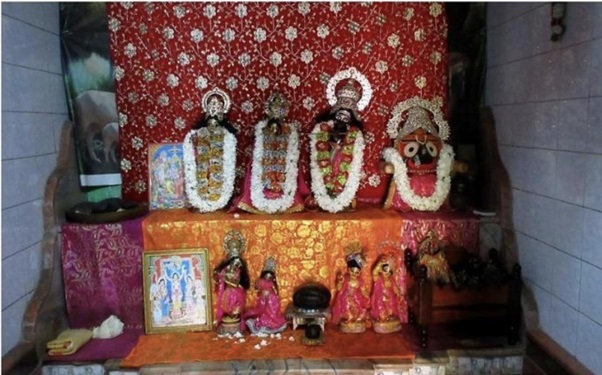
Giridari math deities
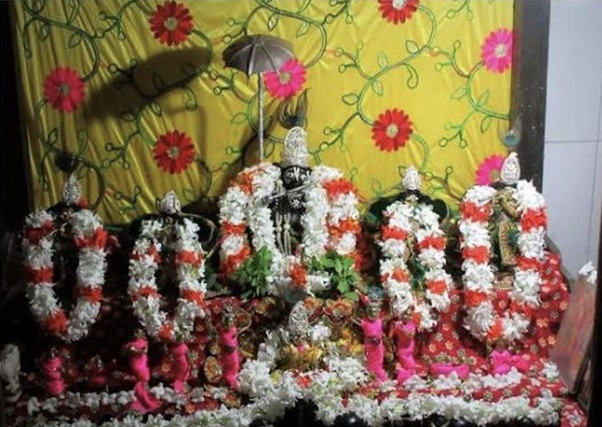
Madhana Mohana math deities
7. Scriptural References
Objective 7 To know the scriptural and historical references related to Satasana Math.
The sanctity of Satasana Math finds support in both Puranic and Gaudiya Vaishnava literature.
The tradition of the Sapta Rishis is associated with the Purushottama Kshetra Mahatmya section of the Skanda Purana, which glorifies the sacred geography of Jagannath Puri and its many holy sites.
Gaudiya Vaishnava texts, especially the Chaitanya Charitamrita, describe the activities of Sri Chaitanya Mahaprabhu and His intimate associates in Puri. These works highlight the importance of secluded places for bhajana and meditation, linking Satasana Math with the devotional culture of Mahaprabhu’s era.
Later historical records such as the Madala Panji and various Gaudiya biographies preserve the memory of the saints who performed bhajana here, ensuring that the spiritual significance of Satasana Math remains alive for future generations.
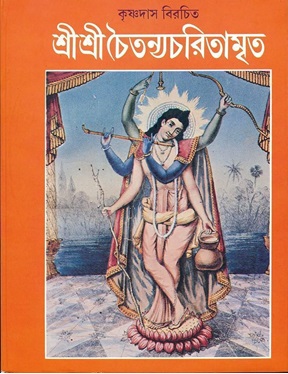
Chaitanya Charitamrita
8. Location
Objective 8 To locate Satasana Math on Satasana Road in Puri, Odisha.
Satasana Math is located on Satasana Road in Puri, Odisha, close to the Haridas Thakur Samadhi and the ISKCON Bhakti Kuti. The site is approximately 1.5–2 kilometers from the Jagannath Temple and can easily be reached by local transport.
Within Puri, the Math is easily accessible from Swargadwar Beach and other major pilgrimage sites.
