
Objectives
Objective 1: To understand the historical and spiritual significance of Sanatana Goswami’s stay in Puri.
Objective 2: To become acquainted with the exalted personalities connected to this sacred site.
Objective 3: To meditate upon the transcendental pastimes of Mahaprabhu and His associates.
Objective 4: To appreciate the spiritual atmosphere and heritage preserved at this site.
Objective 5: To develop devotion through darshan and remembrance of the Lord and His devotees.
Objective 6: To connect the significance of the place with authentic scriptures.
Objective 7: To facilitate a smooth pilgrimage experience for devotees.
Objective 1: To understand the historical and spiritual significance of Sanatana Goswami’s stay in Puri.
Introduction
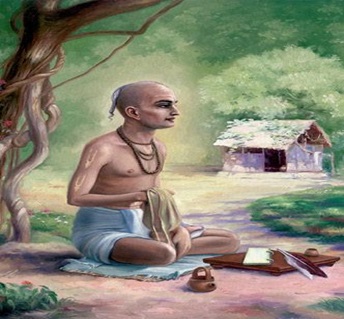
Sanatana Goswami Bhajan Kutir is a revered pilgrimage site located in the holy city of Puri. It is associated with Srila Sanatana Goswami, one of the foremost disciples of Sri Chaitanya Mahaprabhu.
After renouncing his prestigious position in the government of Bengal, Sanatana Goswami dedicated his life entirely to devotional service. During his stay in Puri, he received extensive spiritual instructions from Mahaprabhu and spent his time in chanting, scriptural study, writing, and associating with exalted devotees. The Bhajan Kutir commemorates this sacred period of his life and serves as an inspiration for devotees seeking spiritual advancement through humility, surrender, and devotion.
Objective 2: To become acquainted with the exalted personalities connected to this sacred site.
Devotees Associated with the Place
The prominent devotees associated with this place include:
Srila Sanatana Goswami

Sanatana Goswami is one of the Six Goswamis of Vrindavan and is regarded as the chief authority on Vaishnava practices and philosophy. His writings laid the foundation for the Gaudiya Vaishnava tradition.
Sri Caitanya Mahaprabhu

Mahaprabhu personally instructed Sanatana Goswami on the science of devotional service and entrusted him with the mission of establishing devotional principles and rediscovering Krishna’s holy places in Vrindavan.
Sri Haridasa Thakura

Known as the Namacharya (teacher of the Holy Name), Haridasa Thakura shared a close relationship with Sanatana Goswami. Both demonstrated extraordinary humility and devotion.
Sri Rupa Goswami

The younger brother of Sanatana Goswami, Rupa Goswami collaborated with him in codifying the teachings of Mahaprabhu and establishing the theology of pure devotional service.
The Six Goswamis of Vrindavan

Together they preserved the teachings of Mahaprabhu, wrote authoritative scriptures, established temples, and developed the spiritual culture of Vrindavan.
Their lives exemplify unwavering devotion, compassion, and dedication to spreading the teachings of bhakti.
Objective 3: To meditate upon the transcendental pastimes of Mahaprabhu and His associates.
Lilas/Pastimes Associated with the Place
One of the most significant pastimes connected with this site is the loving interaction between Mahaprabhu and Sanatana Goswami.
When Sanatana Goswami arrived in Puri, he was afflicted with severe skin sores due to difficult travel conditions. Feeling himself impure, he avoided close association with others and never entered the Jagannatha Temple out of humility. Instead, he would stand at a distance and offer prayers.
However, Mahaprabhu repeatedly embraced Sanatana Goswami despite his objections. Through this act, Mahaprabhu demonstrated that a devotee’s spiritual purity transcends bodily conditions and external appearances.
Another important pastime is the series of profound philosophical teachings Mahaprabhu imparted to Sanatana Goswami.

Mahaprabhu instructed Sanatana Goswami on sambandha, abhidheya, and prayojana—the foundational principles of Gauḍiya Vaiṣṇava philosophy.
1. Sambandha-jnana: Refers to the preliminary knowledge regarding our eternal relationship with the Supreme Lord, Sri Krishna.
2. Abhidheya: Is the practical application of that knowledge, meaning acting in accordance with our relationship through bhakti-yoga (devotional service).
3. Prayojana: Is the final fruition of spiritual practice, which is attaining pure love for God (Krsna-prema).
These teachings later culminated in Sanatana Goswami’s literary contributions such as Hari-bhakti-vilasa and Bṛhad-bhagavatamṛta.
Objective 4: To appreciate the spiritual atmosphere and heritage preserved at this site.
Place / Structure / Importance
The Bhajan Kutir is a modest structure reflecting the simplicity and renounced lifestyle of Sanatana Goswami. Unlike grand temples, the Kutir emphasizes inner spiritual wealth rather than external opulence.
Importance of the Site
Commemorates the residence and devotional practices of Sanatana Goswami in Puri.
Preserves an important chapter in the history of the Gaudiya Vaishnava tradition.
Serves as a place for meditation, kirtan, scriptural discussion, and prayer.
Inspires pilgrims to cultivate humility, detachment, and devotion.
Forms an integral part of the Gaudiya pilgrimage circuit that includes Siddha Bakula, Gambhira, Tota Gopinath, and Jagannatha Puri.
The peaceful atmosphere allows visitors to contemplate the teachings and example of the Goswamis.
Objective 5: To develop devotion through darshan and remembrance of the Lord and His devotees.
Presiding Deities
The Bhajan Kutir primarily honors Srila Sanatana Goswami and preserves his memory through worship and remembrance.
Devotees may also find:
Deities of Gaura-Nitai
Pictures or deity forms of Chaitanya Mahaprabhu
Sacred Tulasi plants
Samadhi and commemorative shrines related to Vaishnava saints
The worship emphasizes remembrance of the Lord and His pure devotees rather than elaborate temple rituals.
Objective 6: To connect the significance of the place with authentic scriptures.
Scriptural References
Chaitanya-caritamrita (Madhya-lila Chapters 19–24):
These chapters contain Mahaprabhu’s extensive teachings to Sanatana Goswami, including discussions on the nature of the soul, devotional service, and the goal of life.
Chaitanya-caritamrita (Antya-lila Chapter 4):
Describes Mahaprabhu’s affectionate dealings with Sanatana Goswami and highlights his extraordinary humility.
Chaitanya-bhagavata:
Contains descriptions of Mahaprabhu’s associates and the spread of the congregational chanting movement.
Hari-bhakti-vilasa:
Compiled by Sanatana Goswami, this scripture serves as a practical guide for Vaishnava conduct, rituals, and devotional practices.
Brihad-bhagavatamrita:
One of Sanatana Goswami’s greatest literary contributions, explaining the gradations of devotion and the journey of the soul toward Krishna.
These texts highlight Sanatana Goswami’s humility, scholarship, and service to Mahaprabhu.
Conclusion
Sanatana Goswami Bhajan Kuṭīr is not merely a historical monument but a sacred reminder of the ideals of humility, devotion, renunciation, and unwavering faith. Visiting this holy place allows pilgrims to deepen their appreciation for the teachings of Sri Caitanya Mahaprabhu and draw inspiration from the exemplary life of Srila Sanatana Goswami.
Note: The exact darshan timings and local details may occasionally vary depending on the caretakers and festival schedules. It is advisable to verify them locally before visiting.
Objective 7: To facilitate a smooth pilgrimage experience for devotees.
How to Reach and Around
1. Nearest Railway Station:
Puri Railway Station – approximately 2–3 km from the site.
2. Nearest Airport:
Biju Patnaik International Airport, Bhubaneswar – approximately 60 km away.
3. Local Transport:
Auto-rickshaws
Cycle-rickshaws
Taxis
Darshan Timings
Morning: 7:00 AM – 12:00 Noon<
Evening:4:00 PM – 7:00 PM
Since it is a small pilgrimage site managed locally, devotees are advised to confirm the timings upon arrival.
