
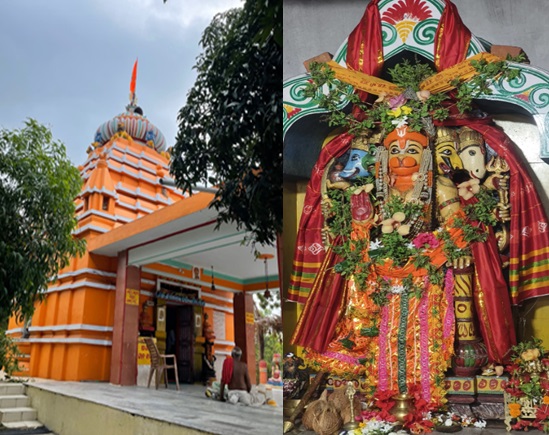
Panchamukhi Hanuman Temple
Objectives:
Objective 1: To explore the spiritual importance of the Panchamukhi Hanuman Temple and its role as a prominent pilgrimage site in Odisha.
Objective 2: To describe the spiritual and mythological connection of the Panchamukhi Hanuman Temple.
Objective 3: To describe the religious and architectural significance of the Panchamukhi Hanuman Temple.
Objective 4: To describe the presiding deity of the Panchamukhi Hanuman Temple and its religious significance.
Objective 5: To provide information about location, the visiting hours and Google map of the Panchamukhi Hanuman Temple.
Introduction
Objective 1: To explore the spiritual importance of the Panchamukhi Hanuman Temple and its role as a prominent pilgrimage site in Odisha
The Panchamukhi Hanuman Temple is a revered shrine dedicated to Lord Hanuman in his five-faced (Panchamukhi) form. Situated within the sacred religious landscape of Puri, at Senapati Bagicha Rd, Balighat, Puri, The Panchamukhi Hanuman Temple is located on the western side of the Gundicha Temple near the sacred Indradyumna Tank. The five-faced deity is depicted with 10 hands holding various weapons and standing upon a demon. The temple is an important center of devotion, attracting pilgrims seeking strength, protection, courage, and spiritual well-being.
For devotees practicing Krishna consciousness, Hanuman is revered not merely for his extraordinary strength and heroic deeds, but as one of the greatest examples of pure devotional service.
Hanuman’s life demonstrates complete surrender to the Lord’s will. He sought neither material gain, mystic powers, nor liberation. His only desire was to serve Lord Rama with unwavering dedication. His example teaches that the perfection of life lies in selfless service to the Supreme Lord. As devotees visit this temple, they may reflect upon Hanuman’s mood of humility, loyalty, determination, and wholehearted dedication to the Lord’s mission.
Spiritual connection
Objective 2: To describe the spiritual and mythological connection of the Panchamukhi Hanuman Temple
The term Panchamukhi means “five-faced.” Worshipping here is believed to dispel negative energies and remove obstacles. It is customary to visit this temple, Siddha Mahaveer, and the Yagna Narasimha shrine after a sacred bath in the Indradyumna Tank.
According to the Ramayana tradition, Hanuman assumed the Panchamukhi form while rescuing Lord Rama and Lakshmana from the demon Ahiravana. By simultaneously extinguishing five lamps burning in different directions, he defeated Ahiravana and rescued the Lord. This divine pastime forms the principal mythological basis for Panchamukhi Hanuman worship.
Architecture
Objective 3: To describe the religious and architectural significance of the Panchamukhi Hanuman Temple
Located near the Gundicha area, this awe-inspiring five-faced Hanuman embodies divine protection in all directions.
- Varaha — strength – Prosperity and stability
- Narasimha — destruction of evil – Protection from evil.
- Hanuman — bhakti & seva – Strength, devotion, and courage.
- Garuda — speed & liberation – Protection from poisons and negative influences.
- Hayagriva — wisdom & knowledge – Knowledge and wisdom.
Architecturally The shrine is relatively small and adheres to the modest, traditional Odia architectural style, featuring a simple flat roof or an understated Pidha Vimana (stepped pyramidal roof).
The temple is oriented facing eastward, the temple is aligned so that the first morning rays naturally illuminate the inner sanctum.
Presiding Deity
Objective 4: To describe the presiding deity of the Panchamukhi Hanuman Temple and its religious significance
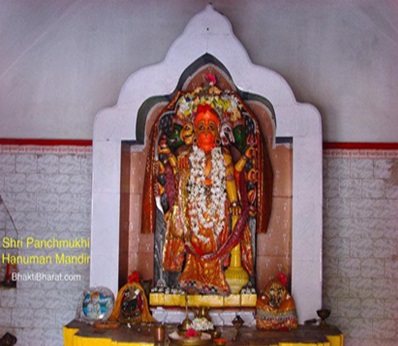
The presiding deity of the Panchamukhi Hanuman Temple is Lord Panchamukhi Hanuman, a unique five-faced manifestation of Lord Hanuman. The deity is depicted with five faces—Hanuman, Narasimha, Garuda, Varaha, and Hayagriva—and ten arms holding various divine weapons and symbols. Each face represents a distinct aspect of divine power, protection, wisdom, devotion, and victory over evil. Standing upon a demon, the deity symbolizes the triumph of righteousness over negative forces. Devotees worship Panchamukhi Hanuman for strength, courage, spiritual protection, and success in overcoming obstacles.
The deity serves as a powerful reminder of Hanuman’s unwavering devotion and selfless service to Lord Rama.
Festivals and Location
Objective 5: To provide information about location, the visiting hours and Google map of the Panchamukhi Hanuman Temple
Festivals:
- Pana Sankranti, regional Hanuman Jayanti alignments (such as Chaitra Purnima) draw massive crowds for Sindoor Puja.
- The temple performs grand Yajnas (fire rituals), special Abhishek (sacred baths), and distributes Pana (a traditional sweet summer drink).
- Tuesdays and Saturdays are dedicated to Lord Hanuman. On these days, the temple witnesses heightened local attendance for special evening Aartis, oil lamp offerings, and planetary affliction.
Darshan timings:
- Morning Timings: 6:00 AM to 12:30 PM
- Afternoon Closure: The temple generally closes midday (between 12:30 PM and 4:00 PM) for deity rest and cleaning.
- Evening Timings: 4:00 PM to 8:30 PM
(Timings are subject to slight extensions or alterations during major festivals and special ritual days)
Location
- Located on the western side of Gundicha temple, right on the banks of the Indradyumna tank.
- The temple is typically open to devotees from early morning until evening, although timings may vary on festival days and special occasions.
