
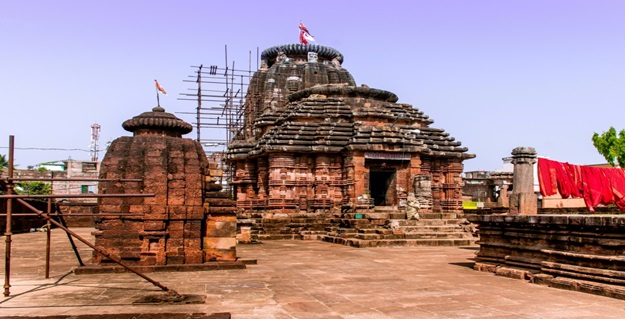
Yameshwar temple
Objectives
Objective 1: To explore the origin and spiritual meaning of Yameshwar Temple.
Objective 2: To present the religious importance of the deity of the temple.
Objective 3: To reveal the sacred traditions and worship practices.
Objective 4: To deliberate the architectural and spiritual distinctiveness of Yameshwar temple.
Objective 5: To explain the accessibility of Yameshwar Temple for pilgrims and tourists.
Introduction
Objective 1: To explore the origin and spiritual meaning of Yameshwar Temple.
Tucked away in Puri’s sacred lanes, the Yameshwar Temple is an ancient shrine dedicated to Lord Shiva. Many devotees see him as a protector of the city against the God of Death. This short document looks at the temple’s origin, its place in the Pancha Pandava network, daily worship, cultural ties, setting, and the meaning people find here.
The temple’s founding story explains why this Shiva shrine is seen as a place of protection. Local tradition and the Skanda Purana say that Yama, the God of Death, once tried to disturb Lord Shiva while he was deep in meditation. An angered Lord Shiva defeated the God of Death in battle. Following his victory, Shiva became known here as Yameshwar (The Lord over Yama). The story shows how divine power keeps the town peaceful and safeguards its sacred spaces.
In Puri, Yameshwar Temple holds a special place in keeping the town safe from mortal fear. Because of this temple, Puri is considered a holy sanctuary where Yama cannot enter or punish anyone. Lord Yameshwar directly protects the city and its people. For pilgrims, stopping here or asking for blessings is a way of seeking comfort and safety from the fear of death before entering the deeper sacred parts of Puri. It shows Puri as a holy place kept safe by divine power.
Main Deity of the Temple
Objective 2: To present the religious importance of the deity of the temple.
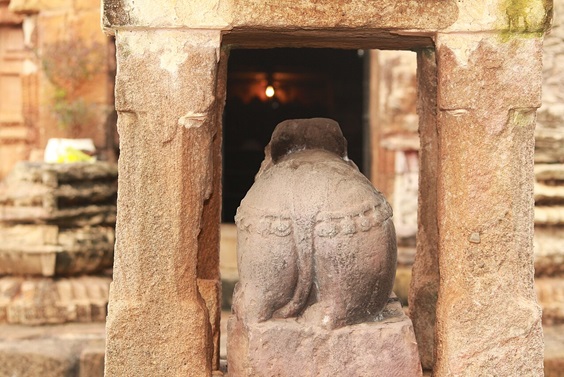
Lord Yameshwar
Lord Shiva is shown here as strong, calm, and victorious over death. At Yameshwar Temple, this image carries several meanings. He stands for courage, the destruction of fear, and the power to overcome worldly troubles. In the local legends, the deity also represents righteousness. He is linked to Yudhisthira, the eldest Pandava brother from the Mahabharata, who was known for his truth and justice. So the idol reflects both ultimate strength and the calming power of truth.
Sacred Tradition and Worship
Objective 3: To reveal the sacred traditions and worship practices.
Daily worship at Yameshwar Temple blends ancient temple tradition with local custom. Common rituals include morning puja, simple aarthi, and offerings of water, milk, and bael leaves—items often used in Shiva worship. Special days like Shivaratri and Yama Dwitiya bring bigger crowds. On these days, devotees take vows, recite prayers, and walk around the shrine. The temple also links closely with the Jagannath Temple, participating in major festivals like the Chandana Yatra.
Architectural Significance
Objective 4: To deliberate the architectural and spiritual distinctiveness of Yameshwar temple.
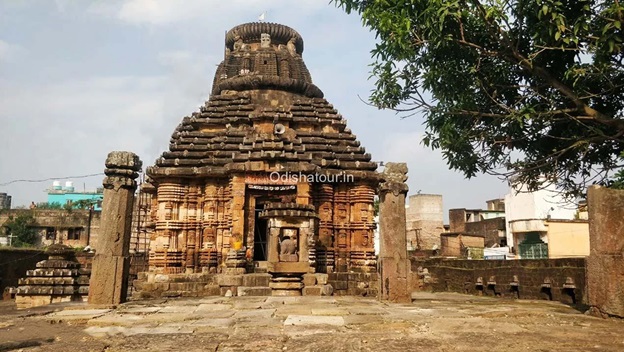
Elegant Architecture
Yameshwar Temple is built in the classic Kalinga style using local sandstone and laterite. A unique feature of this temple is its elevation. The main courtyard and the inner sanctum are located significantly below the current street level. Devotees walk down a flight of steps to enter. It sits in the Gaudabada Sahi area, about half a mile southwest of the Jagannath Temple, making it easy for pilgrims to spot during their journey.
Spiritual significance
People come here for simple spiritual needs: courage in hard times, freedom from the fear of death, good health, and protection for the family. Common practices include offering holy water to the Shiva Lingam, lighting lamps, and sitting in quiet meditation. Since the temple began as a place meant to defeat the God of Death, the rituals here often focus on staying safe from sudden harm and enjoying a long, peaceful life.
Objective 5: To explain the accessibility of Yameshwar Temple for pilgrims and tourists.
From Biju Patnaik International Airport (BBI): Distance: About 60 km
From Puri Railway Station: Distance: About 3.5 km.
The Darshan timings at Yameshwar Temple typically extend from early morning to evening, with a short break in the afternoon. Devotees can usually visit between 6:00 AM to 12:30 PM and again from 4:00 PM to 9:00 PM.
