
OBJECTIVES:
Objective1: To highlight the spiritual significance of Lalitā Sakhī Mandir in Unchagaon.
Objective2: To honor the contribution of Shri Vrindavan Das Ji Maharaj in establishing the temple.
Objective3: To present Lalitā Devī as the foremost companion of Śrī Rādhārāṇī.
Objective7: The meaning of lilithashtakam was given By Srila Rupa Goswami.
Objective1: To highlight the spiritual significance of Lalitā Sakhī Mandir in Unchagaon.
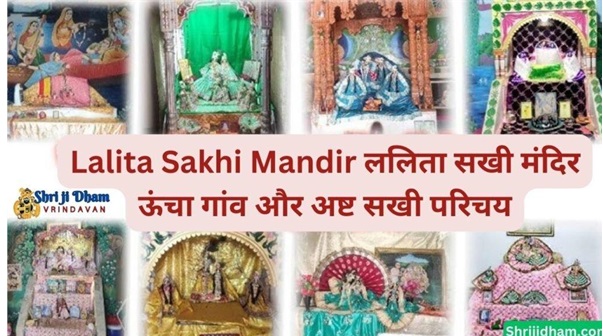
Lalita Sakhi Mandir : This temple is dedicated to Lalita Sakhi, one of the eight Sakhis of Shri Radha Rani and is a religious one. Apart from this, you can visit the places around this temple and enjoy spiritual and entertainment.
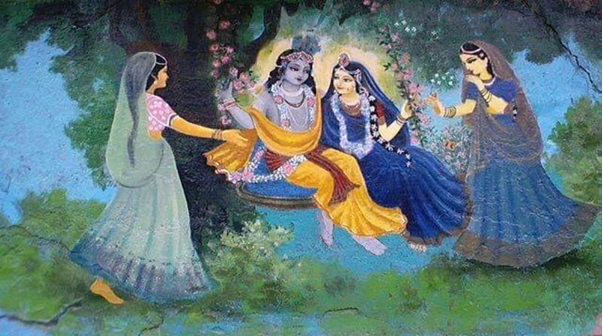
Lalita Sakhi Temple is dedicated to Lalita Sakhi, one of the eight friends of Shri Radha Rani. Here you will also get information about Ashta Sakhi Parichay.
Objective2: To honor the contribution of Shri Vrindavan Das Ji Maharaj in establishing the temple.
Lalita Sakhi Mandir was built by Shri Vrindavan Das Ji Maharaj, a devotee of Shri Radha Rani. This temple was built in 1985 and since then this temple has become a center of attraction for people.
Objective3: To present Lalitā Devī as the foremost companion of Śrī Rādhārāṇī.
Lalita is revered as the eldest gopi among Ashtasakhi and is described as 27 days older than goddess Radha. Lalita was born to her parents, Visoka (father) and Saradi (mother) in Unchagaon, near Barsana.
Lalitadevi instructs and directs all the sakhis and is an expert in the tactics of union and separation in the matter of prema.
The beauty of the temple and its splendid location make it a major destination.for spirituality and attain mental peace.
Objective4: To highlight the spiritual link between Unchagaon, Lalitā Sakhī, and Rūpa Gosvāmī’s devotional lineage.
Unchagaon is the traditional village of Lalitā, and thus spiritually associated with her sakhī circle.
Rūpa Gosvāmī—called Rūpā Manjarī—is tied to that devotional lineage, embodying the mood and service of Lalitā’s inner circle.
Rūpa Gosvāmī emerges not just as a theological luminary but as a spiritual embodiment of Rūpā-Manjarī, in service to Lalitā-Sakhī.
Unchagaon, being Lalitā’s sacred village, connects deeply with his devotional identity: followers of Rūpa Gosvāmī (Rūpānugas) align with the devotional mood of Lalitā.
The intimate dynamic between Lalitā and Rūpa Gosvāmī symbolizes a profound devotional lineage, rooted in rasa theology and personal spiritual identity.
Objective5: To experience spiritual peace and connect with the divine pastimes of Lalitā Sakhī and Kṛṣṇa at Unchagaon.
Lalita Sakhi Temple is famous for its beautiful architectural style and charming cozy atmosphere. Here you can enjoy the peace and develop yourself spiritually by meditating.
At Unchagaon, on the hill, there is a slippery rock showing where a specific pastime was enacted in a marriage arena. There, the gopis arranged a play marriage between Lalita and Krsna.
In that pastime, Krsna was sitting beside Lalita, and the sakhis began to play mischievously. Visakha and some of the other sakhis tied Sri Lalita’s veil to Krsna’s pitambara (yellow shawl). Then suddenly, on the indication of Srimati Radhika, Rangadevi and other sakhis started to sing wedding songs, while Tungavidya and others uttered wedding mantras. The remaining sakhis showered flowers on Sri Krsna and Lalita. When Lalita noticed that something tricky was being done to her, she tried to run away; but because she was tied to Krsna’s pitambara she could not do so. All the sakhis then surrounded the couple and married them.
Objective6: To witness the timeless signs of Lalitā Sakhī’s pastimes and appreciate her unique beauty and expert service to Śrīmatī Rādhikā.
Even today, one can see the signs of the slide on the hill, as well as the markings of ‘alta’ (red lac) from the gopi’s feet. Although this pastime took place 5000 years ago, you can still see the signs of the pastime.
She is so beautiful that her beauty surpasses the autumnal full moon. Her specific quality is that she is very expert in applying make-up, and especially in arranging the hair decoration of Srimati Radhika. Although all the eight principal sakhis are very famous for adorning and applying the make-up of Srimati Radharani, Lalita and Visakha are the most expert. And of these two, Lalita is considered the most proficient.
Lalita is the siksa-guru of all the gopis in Radhika’s group, including Radha Herself.
Objective7: To Know the meaning of lilithashtakam was given By Srila Rupa Goswami
Lalitāṣṭakam – English Verses & Meaning
Verse 1
rādhā-mukunda-pada-sambhava-gharma-bindu-
nirmāñchanopakaraṇī-kṛta-deha-lakṣām
uttunga-sauhṛda-viśeṣa-vaśāt pragalbhāṁ
devīṁ guṇaiḥ sulalitāṁ lalitāṁ namāmi
I bow to Lalitā-devī, who creates thousands of bodies just to wipe the sweat from Rādhā’s lotus feet. Her boldness arises from deep friendship, and her qualities are sweet and graceful.
Verse 2
rākā-sudhā-kiraṇa-maṇḍala-kānti-daṇḍi-
vaktra-śriyaṁ cakita-cāru-camūru-netrām
rādhā-prasādhana-vidhāna-kalā-prasiddhāṁ
devīṁ guṇaiḥ sulalitāṁ lalitāṁ namāmi
I bow to Lalitā-devī, whose moonlike face outshines the full moon, whose eyes are like startled deer, and who is renowned for her skill in adorning Rādhā.
Verse 3
lāsyollasad-bhujaga-śatru-patatra-citra-paṭṭāṁśukābharaṇa-kañculikāñcitāṅgīm
gorocanā-ruci-vigarhaṇa-gaurimānaṁ
devīṁ guṇaiḥ sulalitāṁ lalitāṁ namāmi
I bow to Lalitā-devī, whose sari shines like peacock feathers, whose blouse and ornaments are dazzling, and whose golden complexion surpasses even the finest pigments.
Verse 4
dhūrte vrajendra-tanaye tanu susthu-vāmyam
mā dakṣiṇā bhava kalaṅkini lāghavāya
rādhe giram śṛṇu hitām iti śikṣayantīṁ
devīṁ guṇaiḥ sulalitāṁ lalitāṁ namāmi
I bow to Lalitā-devī, who lovingly instructs Rādhā: “O Radhe! Don’t be submissive to that clever son of Nanda! Be contrary—it will protect your dignity.”
Verse 5
rādhām abhi vraja-pateḥ kṛtam ātmajena
kūṭaṁ manāk api vilokya vilohitākṣīm
vāg-bhaṅgibhiḥ tam acireṇa vilajjayantīṁ
devīṁ guṇaiḥ sulalitāṁ lalitāṁ namāmi
I bow to Lalitā-devī, who becomes furious when Kṛṣṇa tries to deceive Rādhā, and shames Him with sharp, sarcastic words that expose His mischief.
Verse 6
vātsalya-vṛnda-vasatiṁ paśupāla-rājñāḥ
sakhyānuśikṣaṇa-kalāsu gurūṁ sakhīnām
rādhā-balāvaraja-jīvita-nirviśeṣāṁ
devīṁ guṇaiḥ sulalitāṁ lalitāṁ namāmi
I bow to Lalitā-devī, who receives Yaśodā’s affection, teaches the sakhīs the art of friendship, and is the very life of both Rādhā and Kṛṣṇa.
Verse 7
yāṁ kām api vraja-kule vṛṣabhānu-jāyāḥ
prekṣya sva-pakṣa-padavīm anurudhyamānām
sadyas tad-iṣṭa-ghaṭanena kṛtārthayantīṁ
devīṁ guṇaiḥ sulalitāṁ lalitāṁ namāmi
I bow to Lalitā-devī, who sees any Vraja maiden inclined toward Rādhā and immediately fulfills her desire by bringing her into Rādhā’s circle.
Verse 8
rādhā-vrajendra-suta-saṅgama-raṅga-caryāṁ
varyāṁ viniścitavatīm akhilotsavebhyaḥ
tāṁ gokula-priya-sakhī-nikuramba-mukhyāṁ
devīṁ guṇaiḥ sulalitāṁ lalitāṁ namāmi
I bow to Lalitā-devī, the chief among Gokula’s sakhīs, who considers arranging Rādhā-Kṛṣṇa’s meeting more joyful than all other festivals.
Anyone who recites these eight verses with a pure heart and cheerful mood, glorifying Lalitā-devī’s qualities, will be lovingly accepted by Śrīmatī Rādhārāṇī Herself and included among Her intimate circle of sakhīs.
