
Objectives:
Objective1 : To learn the historical significance of Ranga Bhoomi as the divine battlefield where Lord Krishna defeated King Kamsa, marking the restoration of dharma in Mathura.
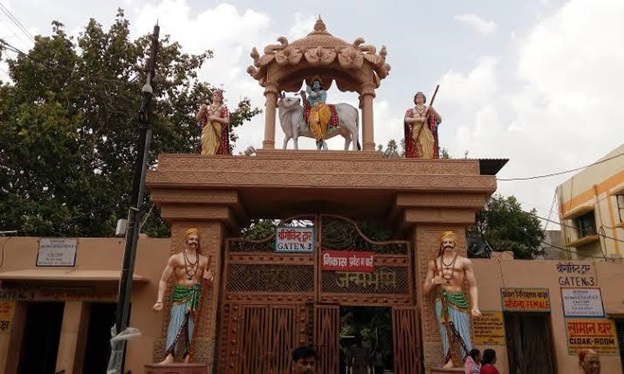
Rangabhoomi, is one of the most spiritually significant and historically rich places in Mathura, the sacred land associated with the life of Lord Krishna. It is not a temple but a historic battlefield located near Keshav Dev Temple, symbolizing the divine confrontation between good and evil.
Objective2 : To explore scriptural references from the Bhagavata Purana and other texts that describe the wrestling match and the divine leela performed by Krishna and Balarama.
Ancient Battlefield: Ranga Bhoomi is the site where Lord Krishna fought and killed Kamsa, the evil king of Mathura, who had imprisoned his parents and terrorized the land.
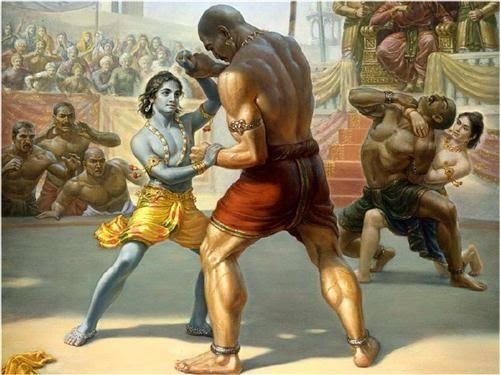
After Krishna and Balarama returned to Mathura from Vrindavan, they participated in a wrestling match organized by Kamsa. This event was staged in this arena—Ranga Bhoomi, which means the ‘Ground of Performance’ or ‘Battlefield’ After defeating the wrestlers, Chanura and Mushtika, Krishna jumped into the stands and pulled Kamsa down, ultimately ending his cruel reign. It marked the restoration of dharma (righteousness) in Mathura.
Objective3 : To identify the unique features of Ranga Bhoomi, including its open arena layout, spiritual atmosphere, and location near the Keshav Dev Temple and Jama Masjid.
Historical and Scriptural Connection: This land is directly connected to Srimad Bhagavatam and Vishnu Purana, making it a living symbol of divine history.
Spiritual Power Spot: Considered a powerful shakti sthala due to the presence and divine action of Lord Krishna.
Open Ground near Temples: Ranga Bhoomi lies between Keshav Dev Temple and the Jama Masjid, and retains a calm, sacred aura, despite being amidst the city.
Symbol of Victory of Good Over Evil: Unlike temples which are usually focused on worship, Ranga Bhoomi stands as a reminder of Krishna’s mission to protect dharma.
Objective4 : To understand the divine purpose behind Krishna’s actions at Ranga Bhoomi, symbolizing the triumph of righteousness over evil and the liberation of his parents, Devaki and Vasudeva.
Divine Leela (Pastime): The arena was the center stage of Krishna’s leela where he destroyed evil and protected the innocent.
Liberation of Parents: After Kamsa’s death, Krishna released his parents, Devaki and Vasudeva, from prison—a moment of spiritual liberation and familial restoration.
Teaching of Dharma: The site inspires reflection on how God incarnates to uphold truth and justice.
Place for Devotion and Contemplation: Pilgrims come here to meditate on Krishna’s courage and divine role, not just to perform rituals.
Objective5 : To provide guidance for pilgrims and visitors, including best times to visit, nearby landmarks, travel tips, and how to respectfully engage with the spiritual heritage of the site.
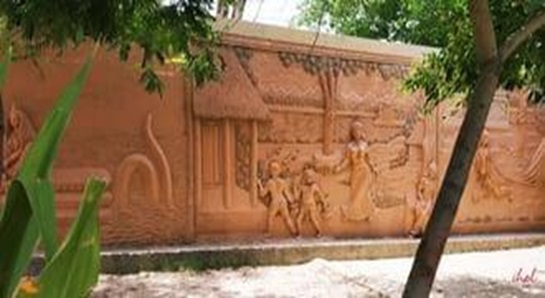
Place : Mathura city, Uttar Pradesh, close to the Shri Keshav Dev Temple and Jama Masjid.
How to Reach:
By Train: Mathura Junction is well-connected to major Indian cities.
By Road: Buses and taxis are easily available from Delhi, Agra, and Vrindavan.
By Air: Nearest airport is Agra (about 60 km); Delhi airport is around 150 km away.
Devotees Best Time to Visit:
Janmashtami (August-September) – Celebrated grandly or ( October – March ) for pilgrimage visit
Early morning or evening for a peaceful experience.
Travel Tips:
Wear modest and comfortable clothing.
Carry water, and be respectful of the religious significance.
Consider hiring a local guide to understand Krishna’s leelas around the area.
Ranga Bhoomi is not just a place—it is a symbol of the Lord’s justice, strength, and love for His devotees. By visiting it, one walks on the very ground where Krishna turned the tide of destiny in favour of righteousness. It is a must-visit for any sincere seeker, devotee, or student of India’s spiritual heritage.
