
Objectives:
Objective 1: To understand the divine origin and unique significance of the deity Śrī Śyāmasundar in Gaudiya Vaiṣṇavism.
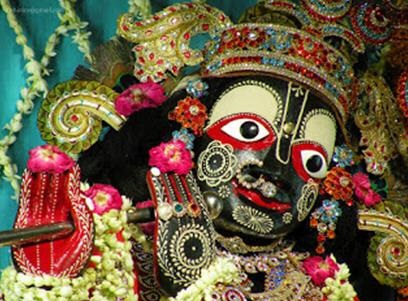
Deity: Syamasundar
The central deity is Sri Syamasundar —Sri Krishna manifested from Srimathi Radharani’s own heart, offered to Śyāmananda Paṇḍita on Vasant Pañcamī in 1578 AD.
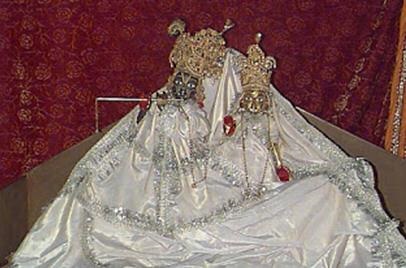
A smaller deity, “Lala–Lali”, is believed to have been gifted by Srimathi Rādhārāṇī (or brought from south India) and sanctified alongside Śyāmasundar in the temple on 1578 .
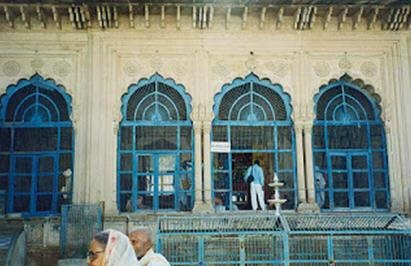
These deities are physically housed together within a modest red-sandstone temple in Sevākūñj, Loi Bazaar, near Rādhā-Dāmodara temple.
Objective 2: To describe the historical background and to learn about the founding and development of the Śyāmasundar temple in Vṛndāvana, including key contributions by Śyāmananda and Baladeva Vidyābhūṣaṇa.
Temple History & Importance
Founded by Śyāmananda Paṇḍita (originally known as Dukhi-Krishna Dāsa) during his second visit to Vṛndāvana. Though not among the Six Goswāmīs, he was a notable Gaudiya Vaiṣṇava scholar and associate of Jīva Gosvāmī.
- In 1719, Baladeva Vidyābhūṣaṇa installed the large central Śyāmasundar deity carved from special stone sourced from Nilgiri, Orissa, to suit grander worship standards.
- During Kārtik month, the temple observes unique daily lilā decorations and pūjā rituals spanning 35 days, ranging from Nishānt Līlā at 2:30 AM to Śāyan ārati at 9:15 PM.
- Worship tradition includes Mangala-āratī, and circumambulating four times is said to grant cosmic benefits and pure love of Sri Krishna.
Objective 3: To know about the life history of Śyāmananda Paṇḍita and his lasting influence on the Gaudiya Vaiṣṇava tradition.
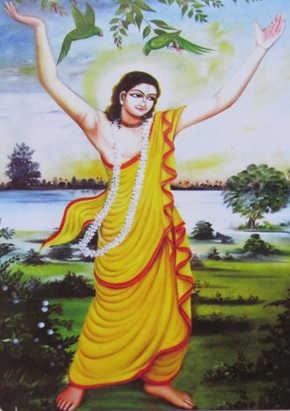
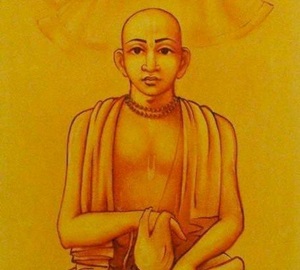
Śyāmananda Paṇḍita
(Dukhi-Krishna Dāsa → Śyāmananda)
1. Early Life & Initiation:
- Born in 1535 AD in Dharenda, West Bengal, as Dukhi-Krishna Dāsa, he showed signs of pure devotion to Sri Krishna from early childhood.
- At 18, left home secretly to Ambika Kalna and received initiation from Sri Hridaya Chaitanya, a disciple of Gauri Das Pandit, and was renamed Dukhi Krishna Dasa.
2. Pilgrimage & Marriage:
Traveled across India, especially Vrindavan, experiencing spiritual ecstasy.
Returned home, married Gaurangi Dasi, but the pull of Vrindavan was too strong.
Returned permanently to Vrindavan in 1566, feeling its divine nature.
3. Devotion and Association with Goswamis:
Had darshan of key deities: Radha Govinda, Radha Gopinath, Radha Madan Mohan.
Met Srila Raghunath Dasa Goswami and Srila Krishna Dasa Kaviraj Goswami, who sent him to Srila Jiva Goswami.
Served in Seva-kunj for 12 years, cleaning the groves as his service.
4. The Divine Vision and Transformation:
Witnessed a mystical Rasa-lila in his meditation and later discovered Srimathi Radharani’s anklet (Manjughosha).
A dramatic encounter with Sri Lalita sakhi (in disguise) and then Srimathi Radharani Herself ensued.
After proving his devotion and cleverness, he was transformed into his original spiritual form as Kanaka Manjari, a transcendental maiden companion of Srimathi Radharani, upon taking a bath in Radha Kunda and chanting the divine mantra.
5. Gift of the Deity:
Srimathi Radharani gifted him the deity of Sri Shyamasundar, manifested from Her own heart, to serve in the material world.
His iron scraper turned golden, and he was given a unique Noopur Tilak (Shyamanandi tilak), shaped like Srimathi Radharani’s foot with a round dot.
6. New Name and Mission:
Named Shyamananda (“giver of joy to Shyama/Radha”) by Lalita sakhi and Srimathi RadhaRani.
Tasked with spreading devotion and liberating conditioned souls through service and sharing Sri Krishna consciousness.
7. Return and Instruction:
Returned to Jiva Goswami, who recognized his divine transformation and endorsed him with honor and new identity.
Advised to keep the lila confidential except to Jiva Goswami.
From then, he became renowned as Shyamananda Prabhu, a great Vaishnava Acharya.
8. Lasting Legacy:
His Shyamsundar Deity continues to give darshan in Vrindavan to this day.
His unique Noopur tilak and teachings are still followed by his spiritual lineage and disciples.
His samādhi is located near the temple entrance, and a 12-day festival commemorates his disappearance in 1630 AD.
Objective 4: To know about the life history of Baladeva Vidyābhūṣaṇa and his lasting influence on the Gaudiya Vaiṣṇava tradition.
Baladeva Vidyābhūṣaṇa
Gaudiya Vaiṣṇava ācārya (c. 1700–1793 AD), renowned for Vedānta commentaries like Govinda-bhāṣya.
Sent to Jaipur to establish doctrinal legitimacy for Gaudiya worship, later commissioned by the king to produce Brahmasūtra commentary.
In Vṛndāvana, he enhanced temple worship traditions at Śyāmasundar and installed the large central deity in 1719.
Served as sevādhipati of the temple until his disappearance in 1793; his samādhi lies within the temple grounds.
Objective 5: To understand the theological depth of the Śyāmasundar deity in embodying sambandha (relationship), abhidheya (practice), and prayojana (ultimate goal) in devotional life.
Significance in Gaudiya Vaiṣṇavism
The only deity known to emerge directly from Srimathi Rādhārāṇī’s heart, central to Gauḍīya emotional theology .
Visited and revered by major figures such as Sri Raghunātha Dāsa Gosvāmī, Śrīla Bhaktisiddhānta Sarasvatī, and A.C. Bhaktivedanta Swami Prabhupāda, who found deep spiritual inspiration here.
Combines sambandha, abhidheya, and prayojana stages of devotional life—connection, practice, and fulfillment—through its history and rituals.
Objective 6: To describe the darśan schedule and seasonal observances that attract pilgrims and devotees to the temple annually.
Daily Darśan & Festivals
Darśan timings:
Summer ~4:30 AM–12:30 PM & 4:30 PM–8:45 PM; Winter ~4:45 AM–1 PM & 4:30 PM–8:30 PM.
Annual Kārtik festival: special lilā decorations for 35 days (Nishānt Līlā, Kunj-Bhāṅg Kīrtan, Mahārās).
Śyāmananda festival: Celebrated annually for 12 days marking his disappearance.
