
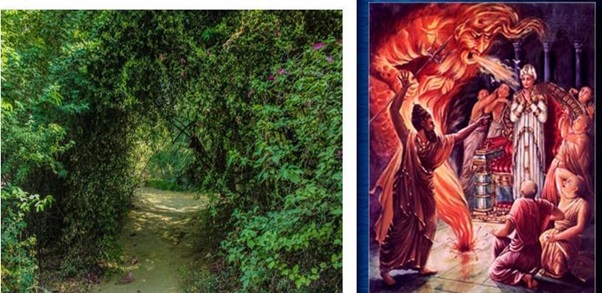
Objectives:
Objective 1: To know the historical and scriptural significance of Madhuvan.
Objective 3: To learn about the divine pastimes of Dhruva Maharaja.
Objective 4: To learn about the divine pastimes of Shatrughna.
Objective 5: To learn about the divine pastimes of Lord Krishna,
Objective 6: To learn about the divine pastimes of Lord Chaitanya
Objective 8: To describe the glories of Madhuvan.
Objective 9: To learn about Spiritual Insights and Practical Lessons
Objective 11: To learn about the benefit of visiting Madhuvan
Objective 1: To know the historical and scriptural significance of Madhuvan.
“Madhuvana is the original place of the Supreme Personality of Godhead. It is very sacred to those whose hearts are fixed on Lord Hari.”
(Mathura Mahatmya, Text 117)
One of the 12 principal forests of Vraja-mandala.
Krishna appeared here in all four yugas.
Dhruva Maharaja received darshan of Lord Vishnu here.
Shatrughna killed the demon Lavanasura and established Mathura.
Lord Chaitanya visited Madhuvan in 1515 CE.
Parikrama of Madhuvan covers approximately 5 km.
Objective 2: To describe the geographical location, present-day identity (Maholi), and accessibility of Madhuvan and important places to visit.
Geographical Location
Distance: 5 km west of Mathura.
Present Name: Maholi.
Setting: Situated on the northern banks of the Yamunā.
How to Reach
From Vrindavan, take the Mathura bypass road (Delhi–Agra highway) and drive south for 20 minutes. Turn right at a large domed temple and continue 8 minutes to Maholi (Madhuvan village).
Places to Visit
- Krishna Kunda(Madhu Kunda)
- Madhu Gufa(Cave)
- Dhruva Narayana Temple
- Dhruva tila
- Balarama Temple
Objective 3: To learn about the divine pastimes of Dhruva Maharaja
Key Pastimes in Madhuvan
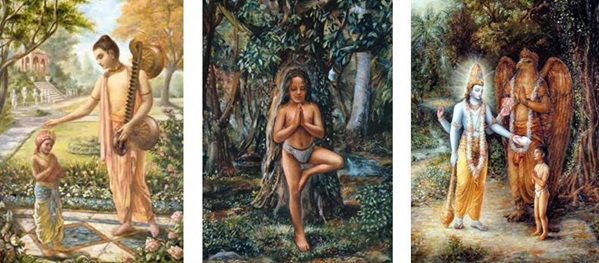
Dhruva Maharaja’s Austerities (Satya-yuga)
Following Narada Muni’s instructions, young Dhruva Maharaja performed intense tapasya at Dhruva-tila, subsisting only on air and standing on one leg. Deeply moved, Lord Vishnu appeared as Prishnigarbha and granted Dhruva a Vaikuntha planet — Dhruvaloka (Pole Star) and pure devotional service.
Temple: Dhruva-Narayana Mandir
Deities: Dhruva-Narayana (Vishnu), Dhruva, Narada Muni, Garuda, Lakshmi-Narayana, Sri Nathji, and Uddhava.
“A person who bathes in Madhuvan’s Yamuna attains the results of bathing in all holy places.”
Mathura Mahatmya, Text 196
Objective 4: To learn about the divine pastimes of Shatrughna
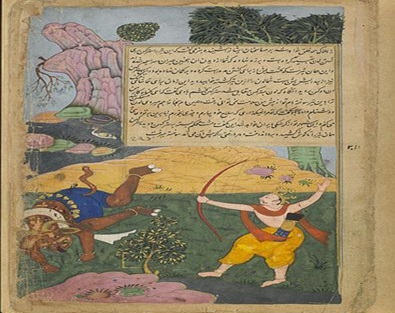
Killing of Madhu and Lavanasura (Treta-yuga)
In the Ramayana, demons Madhu, his wife Mayadana, and their son Lavanasura terrorized sages in Madhuvan. Lord Ramachandra sent Shatrughna, who defeated Lavanasura—waiting until he was weaponless—and destroyed the entire demon clan. Shatrughna then established Madhupuri (Mathura) as his capital and installed Adi-Varaha Deity, still worshipped in Mathura today.
Satrughna Temple: Houses Treta-yuga Deity of Shatrughna.
Madhu Gufa (Cave): Believed to be Lavanasura’s residence.
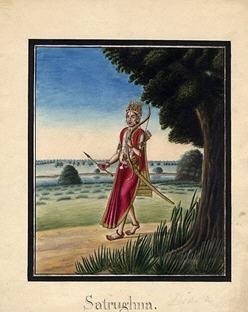
Satrughna, the brother of Lord Rama, made his capital in Madhuvana in treta-yuga. There is a Deity of Satrughna said to date back to treta-yuga in a temple next to Krishna kunda. The brahamanas in this area were being disturbed by Lavanasura, the son of demon Madhu. They prayed to Lord Ramachandra to help them. He sent his brother Satrughna here and He killed Lavanasura. He then made His capital here. There is a cave here in which the demon Lavanasura lived.
Objective 5: To learn about the divine pastimes of Lord Krishna
Krishna’s Honey-Drinking Lila (Dvapara-yuga)
In Dvapara-yuga, Krishna and Balarama, with Their cowherd friends, regularly drank honey from the forest and danced in intoxicated bliss. These joyful pastimes gave the name Madhuvana (forest of honey).
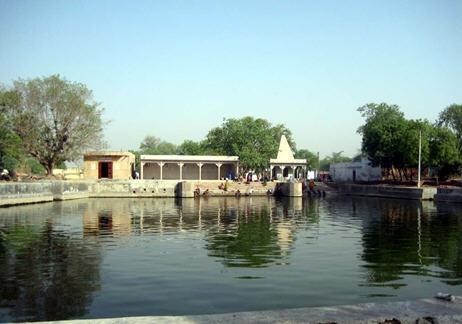
Krishna Kunda: Krishna kunda was made by striking Krishna’s flute on the ground. Krishna would bring His cows to the bank of Krishna kunda and the cows would drink water here.
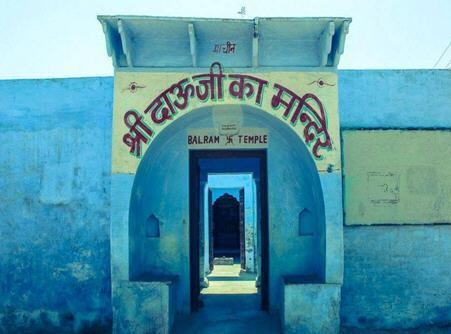
Balarama (Dauji) Temple: There is Balarama (Dauji) temple right next to Krishna-Kunda. The village Deity is Balarama. His right hand is raised, and His complexion is black. It is said that Balarama is black, because he became so absorbed in chanting Krishna’s name that he turned black.
Rasa Lila with the Gopis
Madhuvan was a scene of Krishna’s enchanting rasa-lila during the Sharad Purnima season. The sweet honeyed air, secluded groves, and Krishna’s loving glances stole the hearts of the gopis.
“In this transcendental forest, Lord Madhusudana expertly captured the hearts of the gopis of Vraja.”
(Vraj Mandal Parikrama)
Objective 6: To learn about the divine pastimes of Lord Chaitanya
Lord Caitanya’s Visit (Kali-yuga)
In 1515 CE, Lord Caitanya Mahaprabhu visited Madhuvan during His Vraja Mandala Parikrama. He first bathed at Vishram Ghat in Mathura and later visited Krishna’s birthplace and various tirthas in the forest.
Objective 7: To know the significance and locations of key sacred sites such as Krishna Kunda, Dhruva-tila, Satrughna Temple, Balarama Temple, and Madhu Gufa.
Sacred Sites in Madhuvan
| Site Name | Significance | How to Reach |
|---|---|---|
| Krishna Kunda | Formed by Krishna’s flute; cows drank water here | On the outskirts of the village, left side of main road |
| Balarama Temple | Local Dauji Deity; complexion turned black by chanting Krishna’s name | First building on left of Krishna Kunda, unassuming from outside |
| Satrughna Temple | Houses Treta-yuga deity; cave of Lavanasura nearby | Right side of road, past Krishna Kunda, up stairway inside courtyard |
| Dhruva-tila | Site of Dhruva Maharaja’s penance and Vishnu’s darshan | Visible before village; walk across fields or through village path |
| MadhuGufa (Cave) | Residence of Lavanasura, now a point of meditation and reflection | In the vicinity of Satrughna Temple |
Objective 8: To describe the glories of Madhuvan
Glories of Madhuvan
As stated in the Mathura Mahatmya:
“A sinful man who goes there becomes at once free from all sins.” (Text 117)
“One who circumambulates Madhuvan on the 9th day of bright Kartika is glorified in Vaikuntha with his relatives.” (Text 202)
“Shaving one’s head at Viśrānti-tīrtha burns millions of births.” (Text 236)
“Bathing here on Yama-dvitiya pleases Yamaraja and grants freedom from material suffering.”
Objective 9: To learn about Spiritual Insights and Practical Lessons
Spiritual Insights and Practical Lessons
Perseverance in Bhakti: Like Dhruva, devotees should perform sincere austerities to receive the Lord’s mercy.
Detachment from Evil: As Shatrughna uprooted Lavanasura, devotees should uproot anarthas (internal demons).
Sweetness of Divine Association:Krishna’s honey lila shows the bliss of associating with Him through sankirtana and prema.
Objective 10: To use the parikrama route and site directions to perform a meaningful pilgrimage experience in Madhuvan
Parikrama Tips
Start at Krishna Kunda, then visit Balarama Temple, Satrughna Temple, and finally climb Dhruva-tila.
Best visited during Kartika month, especially on the ninth day (Navami) of the bright fortnight.
Ideal for japa walks, bhajan, and deep contemplation on Krishna’s lilas.
Objective 11: To learn about the benefit of visiting Madhuvan
Madhuvan is not just a forest — it is a living transcendental playground of the Lord across all ages. From Dhruva’s divine determination, Shatrughna’s valor, Krishna’s playful lilas, to Lord Chaitanya’s devotion — Madhuvan remains a vital pulse in the heart of Vraja. By visiting, hearing, or even meditating on Madhuvan, one becomes spiritually uplifted.
“Just by going there one draws nearer to the Supreme Personality of Godhead, who always lives there.”
(Mathura Mahatmya, Text 75)
Objective 12: To learn the recommended practices for sadhakas such as Ekadasi vrata, chanting, japa walks, and offering prayers at specific sites
Devotional Insights for Sadhakas
Mantra for Madhuvan Visit:
“O Lord Madhusudana, may my heart always reside in the sweet forest of Your pastimes.”
Sadhana Recommendation:
Observe Ekadasi Vrata in remembrance of Ambarisha Maharaja who worshiped here.
Meditate on Dhruva’s determination to attain the Lord at a young age.
Offer prayers to Satrughna, rarely worshipped, for spiritual courage.
